
Headache and Migraine Relief in Springdale, AR
Many chronic headaches actually originate in the cervical spine, not the head. We identify and treat the upper cervical dysfunction that drives them.
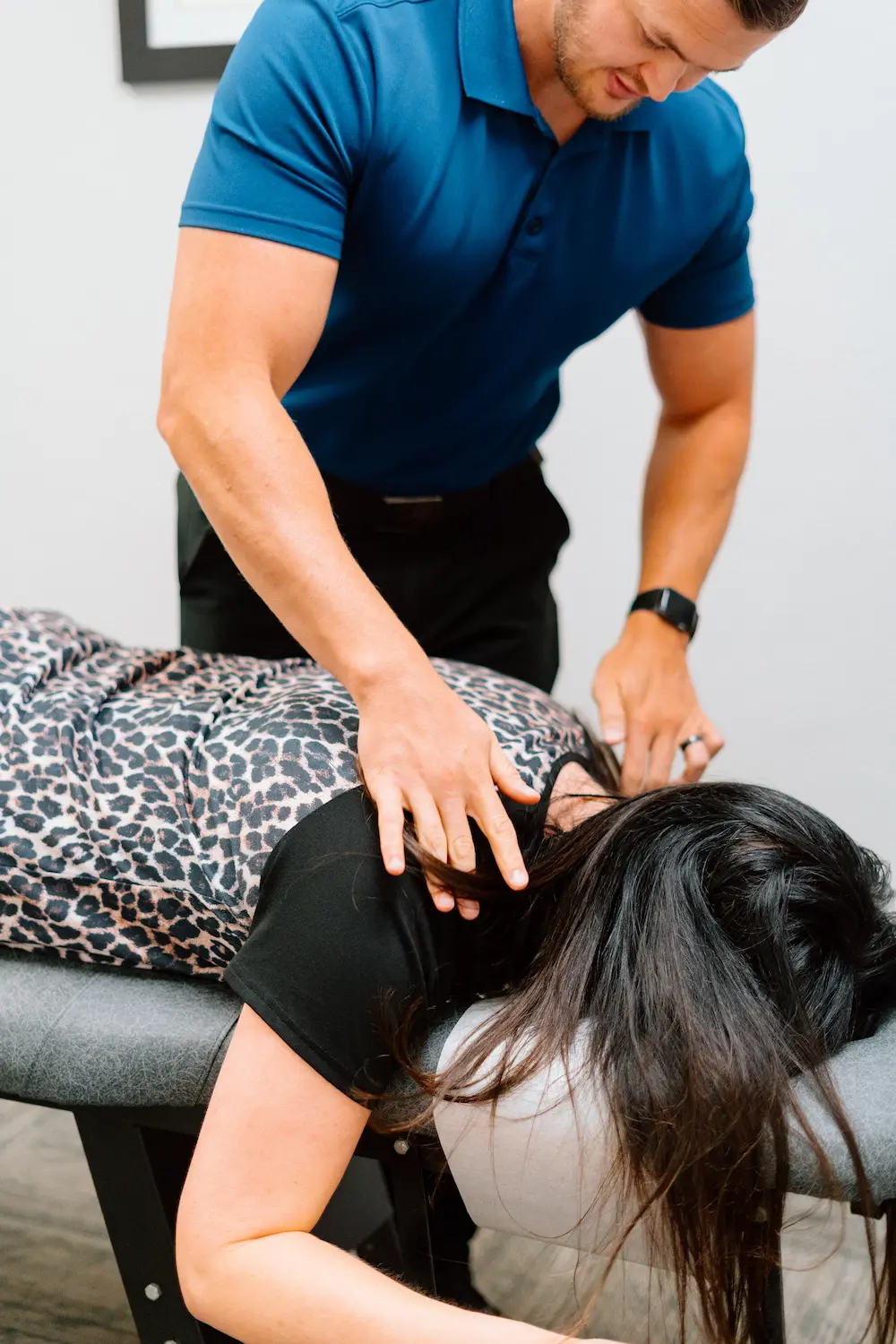
Headache and Migraine Treatment in Springdale
The cancelled plans. Reaching for medication that takes the edge off but never fully resolves it. Waiting for it to pass. For many patients, the actual source of the problem isn’t the head, it’s the cervical spine. When the joints and muscles of the neck are under chronic strain, they generate pain signals that travel directly into the head through well-mapped nerve pathways.
- Dull pressure or throbbing that builds through the day
- Headaches starting at the base of the skull and wrapping forward
- Pain behind the eyes or at the temples
- Headaches that correlate with neck stiffness or long screen time
The Neck-Headache Connection Most Patients Miss
Types of Headaches We See at Favorite Family Chiropractic
Tension Headaches
Cervicogenic Headaches
Migraines with a Cervical Component
How Favorite Family Chiropractic Treats Headaches in Springdale, AR
Upper cervical adjustments, particularly at C1, C2, and C3, are the primary tool for addressing cervicogenic headache and the cervical component of tension and migraine headaches. Adjustments for headache patients are often gentler and more focused on the upper cervical region using Motion Specific Technique.
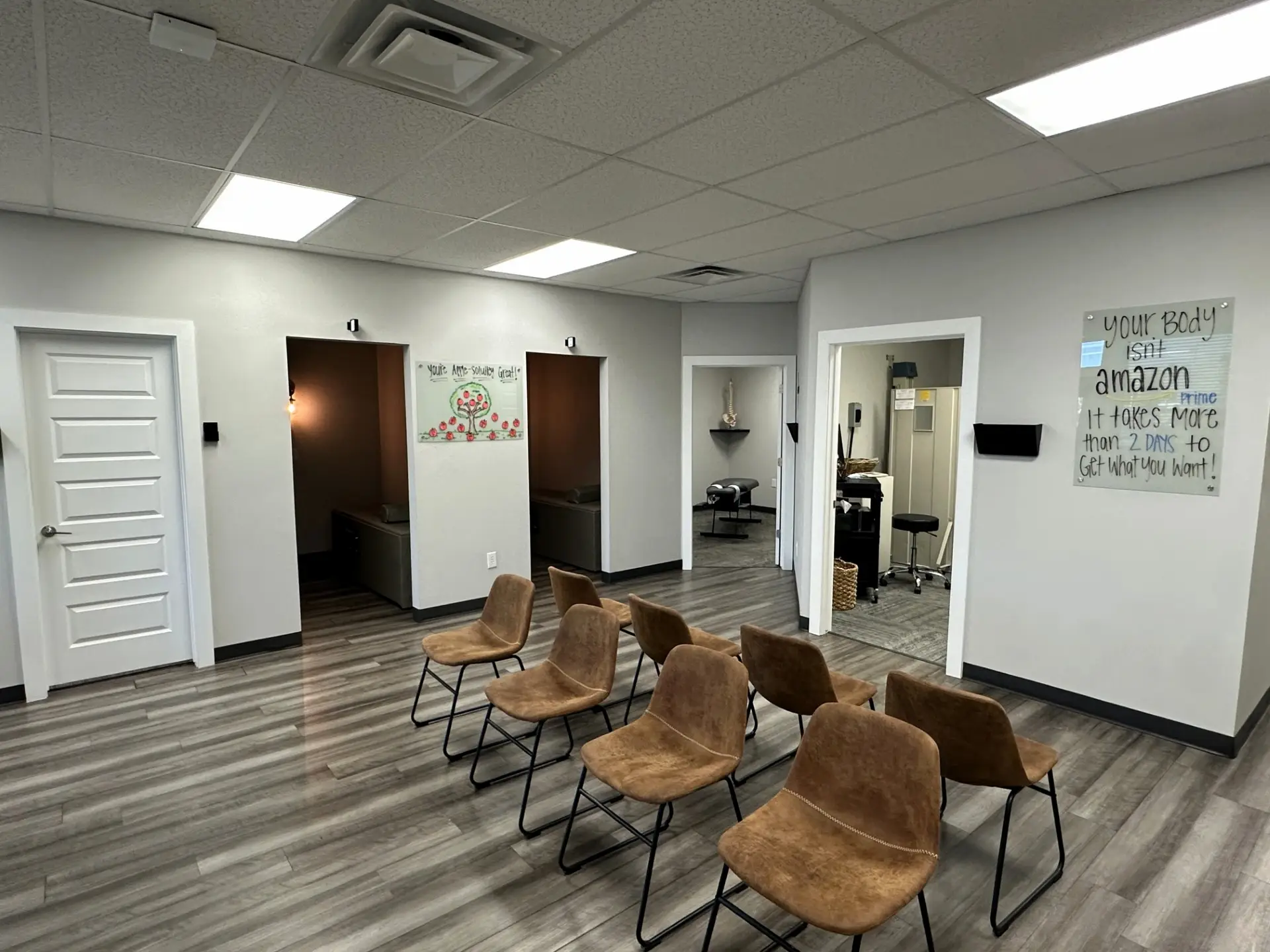
What Your First Headache Evaluation Looks Like
Dr. Favorite needs to understand the specific pattern of your headaches before recommending any care.
- Detailed headache history, including onset, frequency, and triggers
- Postural and cervical range of motion assessment
- Palpation of upper cervical joints and muscles
- Neurological screening for red flags
Frequently Asked Questions About Headaches and Migraines
Can chiropractic actually help with migraines, or just tension headaches?
Both, with the right nuance. Chiropractic is well established for tension and cervicogenic headaches, and can help reduce frequency and intensity for many migraine patients with a cervical component.
How do I know if my headaches are coming from my neck?
Will I need to stop taking my headache medications?
No, chiropractic care works alongside your medical management, not instead of it.