Many recurring headaches and migraines have a hidden connection to the neck, and it is a link most sufferers never consider. Tension and joint restriction in the cervical spine can trigger head pain that keeps coming back no matter how many pills you take. For people in Springdale who are tired of only masking symptoms, chiropractic care offers a different angle: looking for the source instead of chasing the pain.
Not every headache is the same, and the right approach depends on which type you are actually dealing with.
Not All Head Pain Is the Same
Headaches get lumped together, but they have different mechanisms and triggers. Knowing which kind you have helps guide more effective care.
Tension Headaches
These are the most common type. They usually feel like a dull, steady pressure or a tight band around the head. Stress, poor posture, and muscle tension in the neck and shoulders often play a role, which is why they tend to build through a long or stressful day.
Cervicogenic Headaches
These start in the neck and refer pain into the head, frequently on one side. Because the pain shows up in the head, people rarely suspect the neck is the true source, which is exactly where chiropractic assessment can help. They often come with a stiff neck or reduced range of motion.
Migraines
Migraines are a neurological condition, often involving throbbing pain, sensitivity to light or sound, and sometimes nausea. Neck tension does not cause migraines outright, but for many people it acts as a trigger, and easing that tension may help reduce how often attacks strike.
Common Headache Triggers
Headaches rarely have a single cause. More often, several everyday factors stack up until they cross a threshold and the pain begins.
Frequent culprits include stress, dehydration, skipped meals, poor sleep, eye strain from screens, and hours spent with the head tilted down at a phone. Weather changes, certain foods, and hormonal shifts can play a part for some people as well. Muscle tension in the neck and shoulders often sits underneath all of these, quietly feeding the problem. Spotting your own pattern is one of the most useful things you can do, because it shows which triggers are worth managing first.
The Neck Connection Most People Miss
The top of the cervical spine sits close to nerves and muscles that share pain pathways with the head and face. When those upper neck joints move poorly or the surrounding muscles stay tight, the nervous system can interpret that as head pain.
Modern habits make this worse. Long hours at a screen, looking down at a phone, and stress all pull the head forward and load the neck. Over time, that steady strain on the neck can feed a cycle of recurring headaches and migraines.
This connection is easy to miss because the neck itself may not hurt much. The pain often shows up only in the head, so the source stays hidden unless someone actually examines how the cervical spine is moving.
How Posture Feeds Head Pain
Posture is one of the biggest drivers of neck-related headaches, and it is also one of the most fixable. When the head drifts forward over the shoulders, the muscles at the base of the skull have to work harder to hold it up, and that constant strain can build into pain.
This forward-head posture shows up during screen time, driving, reading, and scrolling on a phone. The longer it is held, the more the neck adapts to it, which is why headaches can settle into a daily pattern. Correcting posture will not undo years of habit overnight, but steady attention to how you hold your head, paired with hands-on care, can take real pressure off the system that feeds head pain.
How Chiropractic Care May Help
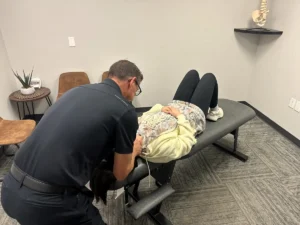
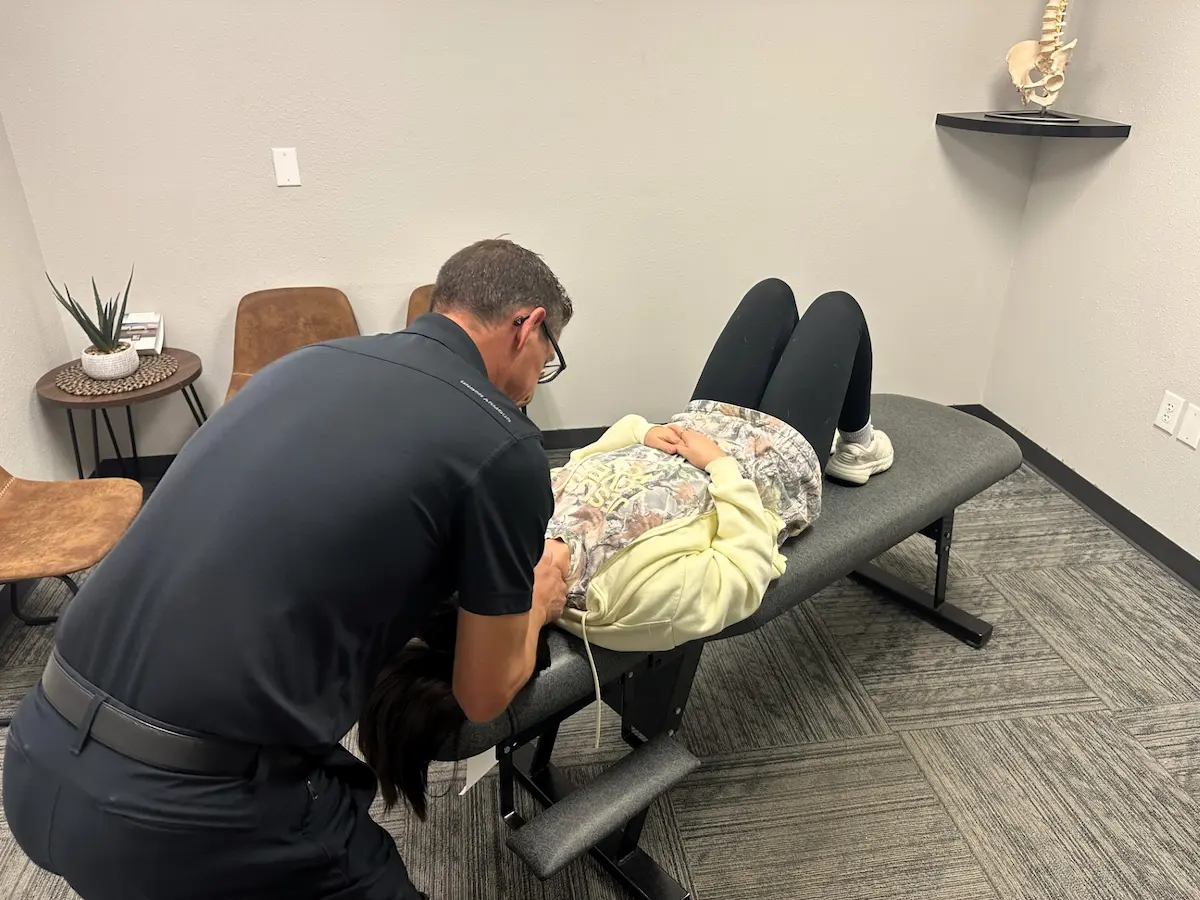
Chiropractic care aims to improve movement and reduce irritation in the cervical spine. Gentle adjustments help restore better joint motion, while work on the surrounding muscles can lower the tension that feeds head pain.
The goal is not to promise a cure. It is to address a mechanical source that standard headache treatment often overlooks. Many patients find that when their neck moves and functions better through chiropractic care, their headaches become less frequent or less intense.
When the Neck Is Heavily Involved – Cervical Decompression
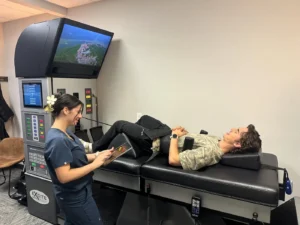
For some people, longstanding neck problems or disc-related changes keep the cervical spine under strain. In those cases, cervical decompression may be part of the plan to gently ease pressure and support the area, alongside adjustments and posture work. This is probably going to be new for you but Dr. Justin Favorite helps patients understand the benefit of non-surgical cervical decompression and whether you are a good candidate for it.
What a Visit Looks Like
A first visit centers on understanding your headaches rather than treating them blindly. We ask about how often they happen, where the pain sits, what seems to set them off, and how they affect your daily life.
From there, we examine how your neck moves, check posture, and look for the muscle tension and joint restriction that often feed head pain. If your history points to something that needs a physician’s input, we say so. When chiropractic care is a good fit, we build a plan around your specific pattern and track how your headaches respond over the following weeks.
When to See a Doctor Right Away
Most headaches are not dangerous, but some warrant prompt medical evaluation. Seek immediate care for a sudden, severe headache unlike any you have had before, head pain after an injury, or a headache with fever, vision changes, confusion, weakness, or difficulty speaking. These can signal a more serious problem.
Chiropractic care is meant to work alongside your medical care, not replace it. We never tell anyone to stop a prescribed medication, and part of a responsible exam is recognizing when a headache needs a physician’s attention.
Everyday Habits That May Reduce Headaches
Small changes can support the care you receive. Raising your screen to eye level, taking short movement breaks, staying hydrated, and keeping a steady sleep schedule all reduce common headache triggers.
Tracking your headaches also helps. Noting when they hit, how long they last, and what you were doing beforehand can reveal patterns, which makes your care plan more targeted.
Frequently Asked Questions
Can chiropractic care really help migraines?
For people whose migraines are triggered or worsened by neck tension, easing that tension may help reduce how often attacks occur. Results vary, and chiropractic care works best as one part of a broader plan rather than a standalone fix.
How many visits before I notice a difference?
It depends on the type of headache and how long it has been present. Some people notice changes within a few weeks, while chronic cases can take longer. We track your response and adjust the plan rather than promising a set timeline.
Are the adjustments to my neck safe?
Chiropractic adjustments to the neck are gentle and tailored to each person, and they follow a full exam to make sure they are appropriate for you. If anything about your history suggests caution, we adapt the approach or refer you as needed.
Find Headache Relief in Springdale
If frequent headaches or migraines are wearing you down, a focused evaluation of your neck may reveal an overlooked source. Call us at (479) 756-1155 or reach out through our contact page to schedule a visit at Favorite Family Chiropractic in Springdale.